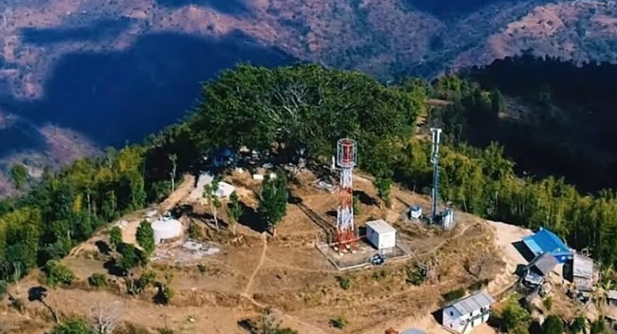
The first place of origin and the main place where the first ancestor of the Yakthung lineage expanded the lineage and ruled is called Manggena Yak. At present, for each clan group, the first place where the first ancestor of their lineage lived for livelihood is called Manggena Yak and is also called Thamalung/Thamrung, Kubokma Kusamaden, or Kudhima Kusemaden.
When performing the Manggena worship, no matter where they are, a Mundhumi ritual journey is undertaken to Mangena Yak, where the officiants (Phedangma, Samba, Yeba) prays for the attainment of strength, power, blessings, good health, and peace. The Yak is invoked in marriages and various other ceremonial and cultural activities. The Yak shows the distinct civilization and development of the Yakthung people. Without the Yak, the Yakthung ethnicity would not exist. Every Yakthung lineage has its own Manggena Yak. The remains of the Yaks reflect the Yakthung civilization. Yakthungs having the same Manggena Yak are considered descendants of the same ancestor. There is a belief that those having the same Manggena Yak should not marry. Those having the same Manggena Yak are understood as Saha-thari (same clan). If marriage is to take place, the Manggena Yak of the girl must be separated. When descendants of the original Mangena Yak move to another place, establish a settlement, and reside there for many years, that new place can also be recognized as their Mangena Yak, which is then called Fechuwa Yak.
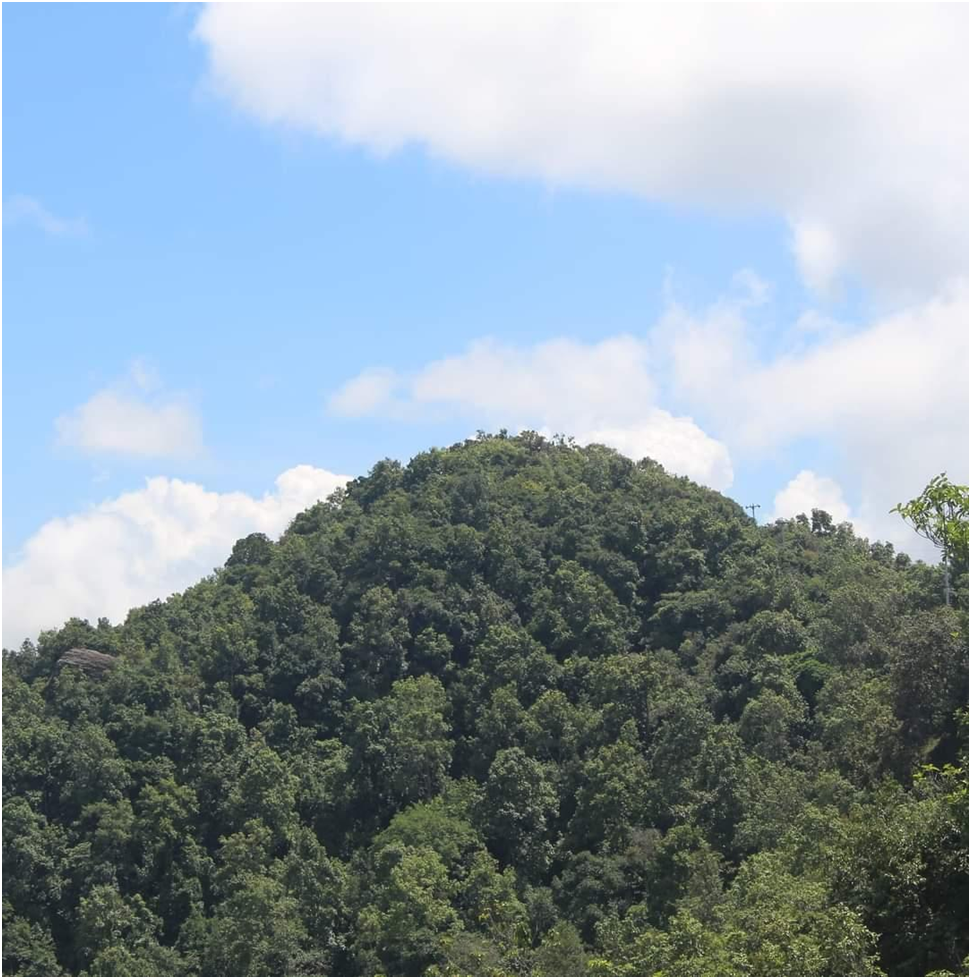
In recent times, some Manggena Yaks have begun to be called Gadhi. Gadhi comes from the Persian word Gadh. Manggena Yak and Gadhi have different meanings and characteristics. Gadhi means a place where soldiers or weapons are stationed for security and attack, a fort, or a garrison. In Limbuwan, Gadhi are places where the Bhote/Lapcha and Gorkhalis stationed soldiers. In some Manggena Yaks, the Gorkhalis and Bhote/Lapchas themselves established Gadhi, which has caused confusion. The Manggena Yaks, which are currently being referred to as Gadhi, are where the Lapchas and Gorkhalis used to station soldiers.
Existing Manggena Yaks
So far, 78 Manggena Yaks have been identified (Tigela, Ph.D. Dissertation, 2019). The identified Yakthung Manggena Yaks are as follows.
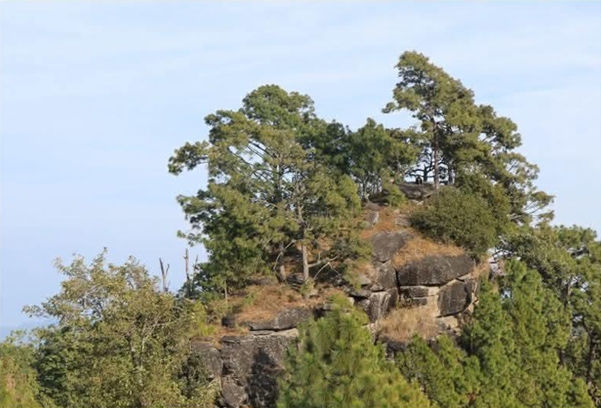
Khewas’ Manggena Yak, Taklung Yak, Chhathar Okhre Tehrathum.
Pirimi Yak, Changsing Yak, Tillingjong Piple Yak, Poklabang Yak, Masereng Yak, Lingthang Yak, Sumhalung Yak, Saptokenemba Yak, Taklung Yak, Hangyakpung Yak, Sanglupli Yak, Pamejang Yak, Chyangthapu Yak, Piringge Yak, Thala Yak, Yomui–Chamghasing Yak, Padhe Yak, Lungbang–Lung Yak, Samyangwa–Yuppawa Yak, Tamling–Chimling Yak, Chigawa Yak, Aptangwa–Tidangwa Yak, Hengkhamden Yak, Lingthang Yak, Sumhalung Yak, Lungbanglung Yak, Yuppawa Yak, Yakche Yak, Amdang Yak, Kewabung Yak, Luppa Tikwa Tarang Yak, Hina Yak, Khelesebung Yak, Khunga Yekten Yak, Kidhi Yak, Malelung Yak, Chiyayoka Yak, Warekso Yak, Phakphok Yak, Angthuppo Yak, Awajung Yak, Papungden Yak, Langwajak Yak, Hemalung Pepelung Yak, Chemphujang Yak, Phujulung Yak, Phaktang Yak, Changdhung Dhurpa Yak, Chowego Yak, Agejung Yak, Hangdewa, Hangsemmalung Yak, Kamphelung Yak, Khalanga Yak, Lungdari Yak, Chichiwa Nenewa Khesera Yak, Leujimba Yak, Lungjang Yak, Mellungden Yak, Mucchebung Yak, Miyanglung Yak, Yangnam Yak, Nagi Yak, Peleng Yak, Pepelung Khiveklung Yak, Fewaden Yak, Phunchenbung Yak, Phulilung Yak, Phutyak Yak, Sakrakpa Yak, Singyang Wokhim Yak, Simphrekma Yak, Siregu Yak, Seselung Thakkelung Yak, Sodham Yak, Susuwa Khongi Yak, Thoklimba Yak, Kendanglung Yak, Yakwa Yak, Thamaden Yak, etc.